Unattended Death Cleanup
Cleanup after an undiscovered death includes odor control and the effects of days of decomposition.
See unattended death cleanupRemove decomposition odor at the source in a home, apartment or rental in Edgewood Park. Cleanup can include contaminated material removal, disinfection, air filtration and careful sorting of belongings.
Death odor removal is the cleanup of decomposition residue and affected materials, followed by air treatment that removes the remaining smell instead of covering it with fragrance. These cleanup services address both the source and the air.
The odor after a death comes from the decomposition process. It can move beyond the room where the person was found and settle in carpet, upholstery, wall cavities and the heating or cooling system. Deodorizer alone cannot solve that problem. The source must be found and removed first.
Law enforcement, a medical examiner or another authority must release the property before cleanup starts. Cleanup crews then check both the affected location and the spaces around it, looking beneath visible surfaces for contamination. They also separate unaffected belongings from impacted property. Fluid-soaked porous material may require removal, but cleaning and disinfecting can often preserve hard, non-porous surfaces.
With the source gone, crews may use controlled ozone treatment, HEPA air filtration or hydroxyl treatment to remediate odor. Method selection depends on the structure, which materials were affected and whether treatment can occur while the space stays vacant. Professional cleaning services should clarify why the recommended method fits the building.
Before work begins, you learn which materials could remain, what might be removed and where cleanup is necessary.
Keepsakes, documents and unaffected belongings are set aside for your decisions instead of being discarded without your knowledge.
Organized disposal records, photos and cleanup scope can help you move forward with an insurance company, property manager or landlord.
Calls are answered day and night, and crews arrive in unmarked vehicles to protect your privacy at a difficult time.
When odor lingers after the deceased is removed, or decomposition fluids have affected the property, death odor cleanup is needed. Typical situations include:
Contamination hidden below the floor, within a wall void or in another concealed spot made paint, fragrance or surface cleaning ineffective.
Unseen residue may accompany odor absorbed by drywall, carpet, personal property, subfloor or furniture.
A person was not found right away, and decomposition affected a bedroom, bathroom, living area or the materials below it.
Odor reached an adjoining unit, common hallway or shared air system and must be located without exposing other people.
You can protect yourself and the property by limiting entry and waiting for the official release. Share these details with cleanup technicians before death odor remediation begins:
Call (888) 440-9227The BioCleaners Directory death odor removal guide lists $500 to $1,500 for mild odor, $1,500 to $3,500 for moderate odor, $3,500 to $6,000 for severe odor, and $6,000 to $15,000 when extreme odor requires structural work. The amount depends on the source, the affected materials and how far contamination traveled.
The figures shown are national ranges from published cost guides and are not based on an on-site visit. An on-site assessment determines your property's price, which is explained to you before the cleanup starts.
Ask about cost: (888) 440-9227Homeowners, renters or landlord insurance may cover death odor cleanup when the policy covers the event, but coverage, deductibles and exclusions vary by policy. Property owners should report the loss before repairs begin when possible.
Find out which cleanup plans, repair information, disposal documentation and photographs your adjuster requests. Save receipts alongside your insurance claim number.
In rental housing, arrangements for building cleanup are commonly made by the manager or property owner. Who pays for belongings may be determined separately.
Homeowners or renters insurance, the estate or the property owner usually pays for this kind of cleanup. The Indiana crime victim compensation program helps only when a crime caused the loss.
Report the loss as soon as you can. Your policy may address biohazard remediation, odor control, damaged construction material removal and repair work, so ask about each.
Source removal is the first priority in death odor remediation. Contaminated materials must be cleaned or taken out before equipment treats the air, since structural contamination cannot be corrected by air treatment. Throughout the work, the affected area remains separated from clean rooms.
Technicians inspect the affected room, nearby spaces, flooring edges, contents and air returns to map where odor and residue may have traveled.
The affected workspace is kept apart from unaffected rooms. Air movement is controlled, and crew members use protective gear and equipment suited to the exposure.
Visible residue comes out first. Crews remove carpet, pad, upholstered furniture, mattresses, subfloor sections or drywall if cleaning cannot make them fully clean.
Hard surfaces left in place receive cleaning followed by an EPA-registered disinfectant used for the entire contact time on the label.
Air within the affected area passes through HEPA scrubbers. Once sources are removed, lingering odor may be treated with hydroxyl or a different appropriate method.
To prevent airflow from spreading the problem, crews check the affected area and nearby accessible registers and ventilation parts for residue and odor.
Applicable local and state regulations guide how affected materials are packaged, marked and taken away for disposal.
Crews check the work area once more following treatment. Records given to you show every step completed, everything cleaned or taken out and outstanding repairs.
Phone any hour. You speak with a death odor removal specialist who outlines the process and schedules a start time with you.
Smell can indicate that the source has not been fully removed. The serious health risks come from decomposition fluids, hazardous material and contaminated contents, which may expose you through contact or spread into clean parts of the property.
Porous belongings, ventilation parts, cracks in floors and spaces inside walls can retain odor. The smell returns when air treatment occurs without taking out the underlying sources.
Applicable medical waste rules require controlled packaging for materials contaminated by bodily fluids, followed by hazardous waste disposal. Keep them out of regular household waste.
Sorting affected items or going inside the room can cause family members emotional pain. You can name a trusted representative to make decisions and keep distance from the work area.
Can you clean it yourself? The strength of an odor is not a measure of safety. Contamination inside a porous item or below the floor may still produce only a weak odor. Keep everyone out and request a professional assessment when the source cannot be identified or a death has left fluids.
Contained cleanup for death odor can take one to three days at the property. It may last longer if the smell reached multiple spaces, fluids penetrated the building structure, or flooring and wall removal is followed by separate repair work.
| Scene | Typical time on site |
|---|---|
| Light odor without removal of structural materials | Often one day |
| A single room requiring removal of porous materials | Often one to three days |
| Several areas or structural contamination | Several days, plus repair time |
Locating all affected materials is the first step in removing odor from decomposition. Source removal cannot be replaced with paint, fragrance or fogging. Any carpet, furniture, drywall or subfloor that absorbed fluids has to be removed or completely cleaned before treatment of the air.
HEPA air scrubbers can filter airborne particles during work. Hydroxyl treatment may be used for remaining odor when appropriate. Ozone treatment requires strict controls because ozone can irritate the lungs, so people, pets and plants must be out of the treatment area and reentry must wait until the space is properly ventilated.
The OSHA Bloodborne Pathogens Standard, 29 CFR 1910.1030, governs protective equipment, training and exposure control for workers where blood could be present.
A disinfectant should be registered by the EPA for its intended use and remain visibly wet for the full contact time stated on the product label.
Indiana treats soaked materials from a biohazard scene as infectious waste. Indiana Department of Health rules control containment, labeling and transport, and IDEM regulates offsite management, so it cannot go in household trash.
Indiana relies on elected county coroners to investigate deaths, and the state has no statewide medical examiner. Cleanup starts after police or the coroner release the scene.
The full death odor removal guide covers what is cleaned or removed, odor and air quality work, and the rules that apply in your state.
Read the full death odor removal guide
Local population patterns, housing and site access may affect how containment and cleanup are planned.
Knowing that Dupont Hospital is about 4.3 miles away helps households plan where to seek care before arranging scene cleanup.
The location sits near Brandy Chase, Northbrook, and Carrington Pointe, making local landmarks helpful when a property entrance is hard to find.
A cleanup plan for this neighborhood should account for adjacent homes or units when setting odor control and containment boundaries.
Ask on the call about cleanup options for neighboring communities and ZIP codes.
Cleanup after an undiscovered death includes odor control and the effects of days of decomposition.
See unattended death cleanup
Home cleaning following a death includes affected possessions as well as fluid and odor cleanup.
See death cleanup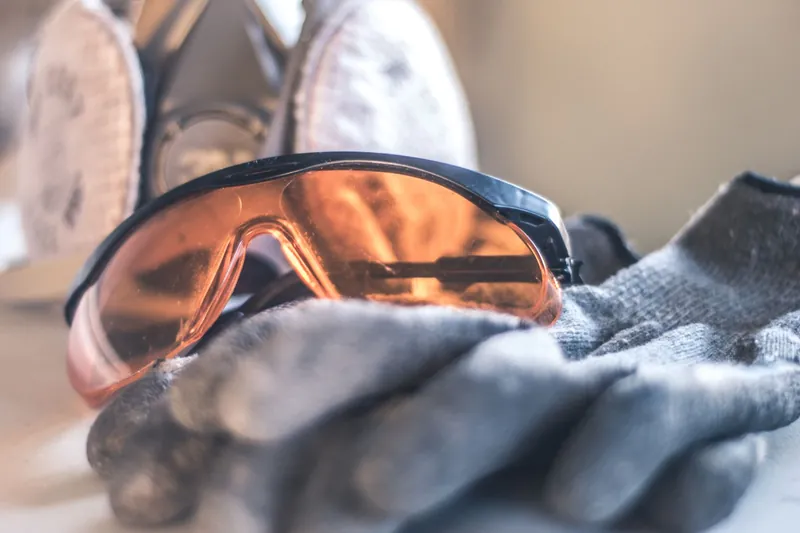
Removal of decomposition fluids from floors, subfloors and furniture.
See decomposition cleanup
Careful work in the family home follows when a death is discovered quickly.
See attended death cleanup
Estate cleanout after a death, with sorting of belongings and safe removal.
See estate cleanout after a death
Removal and disinfection of blood, body fluids and other infectious material from any property.
See biohazard cleanup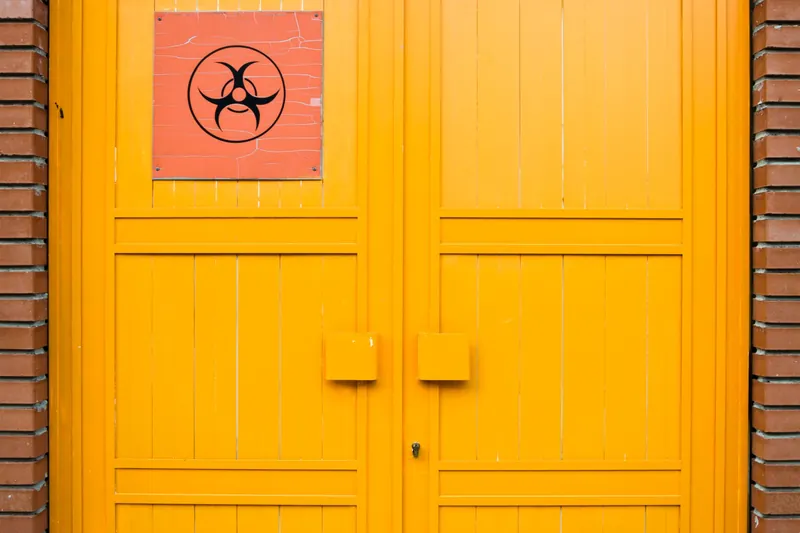
Following accidents, violence or injuries, trauma scene cleanup addresses the affected area.
See trauma scene cleanup
Hotels, rental properties and Airbnb units receive biohazard cleanup.
See hotel, airbnb and rental biohazard cleanupA covered event may allow a renters, homeowners or landlord policy to pay for damaged materials, odor control and biohazard cleanup. Policy exclusions and deductibles apply. Report the loss as soon as you can and ask the adjuster what records are needed before cleanup and repairs begin.
The affected materials, lease and policy decide who is responsible. Cleanup of the rental and its structural materials is commonly arranged by a property manager or landlord. The family or estate may be responsible for personal belongings. Both sides should call their insurance companies prior to removal of any items.
Ranges in the BioCleaners Directory guide are $500 to $1,500, for mild odor, $1,500 to $3,500, for moderate odor, $3,500 to $6,000, for severe odor and, for extreme odor involving structural work, $6,000 to $15,000. Job pricing depends on removal needs and the size of the affected area.
The property owner, family, estate representative or landlord usually arranges the cleanup after the scene is released. A professional cleanup crew can remove contamination and odor. Flooring, drywall and any other building materials removed in remediation might be replaced by a separate contractor.
A job limited to one area can require one to three days. Several rooms or hard-to-reach contamination can extend cleanup, as can taking out structural materials. Remediation occurs before repairs, so the project can continue for flooring or drywall replacement once cleaning and odor control are done.
Reliable odor removal begins by taking out the source. That may mean removing affected carpet, pad, furniture, drywall or subfloor. After cleaning and disinfecting remaining hard surfaces, air scrubbers and an appropriate odor treatment target lingering smell. Fragrance alone cannot remove decomposition odor.
Crews carry out respectful, discreet death odor removal, arrive in unmarked vehicles and take calls 24 hours a day.